腸内にはヒトの細胞数に匹敵する数の細菌がいて、遺伝子の総数ではヒトゲノムの100倍以上を持つ。彼らはヒトが持たない酵素を持ち込み、消化・ビタミン産生・薬物代謝・免疫の教育に関わっている。
臨床で意識すべきなのは、抗菌薬がこの臓器に対する強力な薬でもあるという点である。
- 細菌がやっている化学 — ヒトにできないこと
- 細菌叢と免疫・代謝 — 教育と、共犯
- 短鎖脂肪酸 — 大腸の細胞は、細菌の作った燃料で生きている
- 腸内細菌と薬 — 住人が、効き方を変えている
- 腸のバリア — 1層の細胞の内側は、体の外である
細菌がやっている化学 — ヒトにできないこと
| 働き | 内容 | 臨床との接点 |
|---|---|---|
| 食物繊維の発酵 | 短鎖脂肪酸(酢酸・プロピオン酸・酪酸) | 大腸上皮の栄養・抗炎症 |
| ビタミン産生 | ビタミンK₂・ビオチン・葉酸・B群 | 抗菌薬長期投与で出血傾向 |
| 胆汁酸の変換 | 脱抱合・脱水酸化 → 二次胆汁酸 | 腸肝循環(胆汁酸の章) |
| 尿素の分解 | ウレアーゼでアンモニア | 肝性脳症・感染結石 |
| 薬物代謝 | 抱合体の脱抱合・還元 | 薬効と副作用に影響 |
抗菌薬関連下痢症は2つに分かれる。
- 非感染性——短鎖脂肪酸の産生が減り、大腸の水分吸収が落ちる。多くは軽症で自然に治る
- Clostridioides difficile 感染——常在菌が減った隙に増える。トキシンA・Bが大腸粘膜を傷害し、偽膜性大腸炎
治療の考え方が「殺す」から「戻す」へ移ったのがこの領域の大きな変化である。再発性のClostridioides difficile 感染に対する糞便微生物叢移植は抗菌薬より高い治癒率を示し、細菌叢そのものを臓器として移植するという発想が実用化された。
薬物代謝への影響も、無視できない。
- ジゴキシンを不活化する腸内細菌がいる——抗菌薬を併用するとジゴキシン濃度が上がる
- イリノテカンの活性代謝物は肝でグルクロン酸抱合されて胆汁へ出るが、腸内細菌のβグルクロニダーゼが脱抱合して活性を戻す → 遅発性の重い下痢
- 経口避妊薬の腸肝循環も細菌に依存する部分がある
ビタミンK₂の供給は、実務で頻繁に問題になる。絶食+広域抗菌薬+肝障害という組み合わせで、ビタミンK欠乏によるプロトロンビン時間の延長が起きる。「入院して数日で凝固能が悪化した」ときに、真っ先に考える原因である。ビタミンKの投与で速やかに戻る。
English version
Core
| Function | Content | Clinical connection |
|---|---|---|
| Fermentation of dietary fibre | Short-chain fatty acids (acetate, propionate, butyrate) | Nutrition of the colonic epithelium, anti-inflammatory |
| Production of vitamins | Vitamin K₂, biotin, folate, the B group | A bleeding tendency with long antibiotic courses |
| Conversion of bile acids | Deconjugation and dehydroxylation → secondary bile acids | The enterohepatic circulation (the chapter on bile acids) |
| Breakdown of urea | Urease makes ammonia | Hepatic encephalopathy, infection stones |
| Drug metabolism | Deconjugation of conjugates, reduction | Affects efficacy and adverse effects |
Going further
Antibiotic-associated diarrhoea divides into two.
- Non-infectious — the production of short-chain fatty acids falls and the colon absorbs less water. Mostly mild and self-limiting.
- Clostridioides difficile infection — it multiplies in the gap left as the commensals fall. Toxins A and B injure the colonic mucosa, giving pseudomembranous colitis.
That the idea of treatment moved from "killing" to "restoring" is the great change in this field. Faecal microbiota transplantation for recurrent C. difficile infection has shown a higher cure rate than antibiotics, and the notion of transplanting the flora itself as an organ has come into practice.
The effect on drug metabolism cannot be ignored either.
- There are gut bacteria that inactivate digoxin — give an antibiotic with it and the digoxin level rises.
- The active metabolite of irinotecan is glucuronidated in the liver and excreted in bile, but bacterial β-glucuronidase deconjugates it and restores its activity → severe late-onset diarrhoea.
- The enterohepatic circulation of the oral contraceptive also depends in part on bacteria.
The supply of vitamin K₂ is frequently a problem in practice. With the combination of fasting plus a broad-spectrum antibiotic plus liver disease, prolongation of the prothrombin time from vitamin K deficiency occurs. It is the first cause to think of when "the coagulation worsened within days of admission". It corrects promptly with vitamin K.
細菌叢と免疫・代謝 — 教育と、共犯
腸内細菌は免疫系を教育する。
- 無菌動物ではPeyer板とIgA産生細胞が育たない
- 一部の細菌が制御性T細胞の分化を促す(酪酸が関与)
- 衛生仮説——幼少期の微生物曝露が少ないと、アレルギー疾患が増えるという考え方
代謝との関わり。
- トリメチルアミンN-オキシド——赤身肉や卵のコリン・カルニチンを細菌が代謝し、肝で酸化されてできる。動脈硬化との関連が指摘されている
- 細菌叢の構成が肥満と関連する——ただし因果の向きは確定していない
この領域は「関連の報告が多く、因果の証明が少ない」——読むときに最も注意を要する分野である。細菌叢が病気を作ったのか、病気が細菌叢を変えたのかを区別するのは難しい。
因果を示せた数少ない例が、糞便微生物叢移植による Clostridioides difficile 感染の治療である。介入して結果が変わることを示したという点で、他の関連研究とは証拠の質が違う。肥満・糖尿病・自閉スペクトラム症への応用は、まだその水準に達していない。
臨床で今すぐ役に立つ形にすると、次の3点になる。
- 抗菌薬は必要な場面でだけ使う——細菌叢への影響は数か月続き、耐性菌の獲得も残る
- プロバイオティクスの効果は菌株ごとに違う。「乳酸菌一般」に効果があるとは言えない。免疫不全者では菌血症の報告がある
- 食物繊維の摂取は、短鎖脂肪酸の供給という明確な機序を持つ
帝王切開と母乳栄養が細菌叢の初期構成に影響することは繰り返し観察されている。ただしそれが後年の疾患を決めるという因果は、まだ確立していない。母親に不必要な罪悪感を与えないよう、証拠の強さを正確に伝える——これも臨床能力の一部である。
English version
Core
The gut flora educate the immune system.
- In germ-free animals the Peyer’s patches and IgA-producing cells do not develop.
- Some bacteria promote the differentiation of regulatory T cells (butyrate is involved).
- The hygiene hypothesis — the idea that little microbial exposure in early childhood increases allergic disease.
Connections with metabolism.
- Trimethylamine N-oxide — bacteria metabolise the choline and carnitine of red meat and eggs, and it is formed by oxidation in the liver. An association with atherosclerosis has been pointed out.
- The composition of the flora is associated with obesity — but the direction of causation is not established.
Going further
This field is one of "many reports of association and few proofs of causation" — the area requiring most care in reading. Whether the flora made the disease or the disease changed the flora is hard to separate.
One of the few instances where causation could be shown is the treatment of C. difficile infection by faecal microbiota transplantation. In showing that intervening changes the outcome, the quality of evidence differs from the other association studies. Application to obesity, diabetes and autism spectrum disorder has not reached that level.
Put into a form immediately useful in practice, it comes to three points.
- Use antibiotics only where they are needed — the effect on the flora lasts months, and the acquisition of resistant organisms remains.
- The effect of a probiotic differs by strain. One cannot say that "lactobacilli in general" are effective. Bacteraemia has been reported in the immunocompromised.
- Intake of dietary fibre has a clear mechanism — the supply of short-chain fatty acids.
That caesarean section and breastfeeding affect the initial composition of the flora has been observed repeatedly. But causation, that this determines later disease, is not yet established. Conveying the strength of the evidence accurately, so as not to give a mother needless guilt — this too is part of clinical competence.
短鎖脂肪酸 — 大腸の細胞は、細菌の作った燃料で生きている
ヒトが消化できない食物繊維とレジスタントスターチを、大腸の細菌が発酵させて作る。
| 短鎖脂肪酸 | 主な行き先 | 働き |
|---|---|---|
| 酪酸 | 大腸上皮が直接使う(主要なエネルギー源) | 粘膜の維持・制御性T細胞の誘導・炎症を抑える |
| プロピオン酸 | 門脈から肝へ | 糖新生の材料。コレステロール合成を抑える |
| 酢酸 | 全身循環へ | 末梢組織のエネルギー・脂質合成の材料 |
1日に 300〜400 mmol が作られ、9割以上が大腸で吸収される。
大腸内は弱酸性に保たれ、病原菌が育ちにくくなる。
「大腸上皮だけが、血液からではなく管腔から栄養を取っている」という例外が、臨床に直結する。腸を使わないと、上皮が痩せる(栄養をどう入れるかの章)——「経静脈栄養だけを続けると、腸粘膜の萎縮とバクテリアルトランスロケーションが起こる」。
だから「腸が使えるなら腸を使う」が原則になる——「量が少なくても、粘膜を保つ目的の経腸栄養に意味がある」。
酪酸が制御性T細胞を誘導することは、炎症性腸疾患やアレルギーの研究の中心になっている(制御性T細胞の章)——「食物繊維の摂取が、免疫の設定に関わっている」。
ラクツロースも、この発酵を利用した薬になる(肝性脳症の項)——「大腸で発酵して酸を作り、アンモニアをイオン型にして吸収させない」。
Clostridioides difficile 感染症は、この生態系が壊れた状態になる(嫌気性菌の章)——「抗菌薬で常在菌が減り、空いた場所を1つの菌が占める」。
English version
Core
Colonic bacteria ferment the dietary fibre and resistant starch that humans cannot digest.
| Short-chain fatty acid | Chief destination | Function |
|---|---|---|
| Butyrate | Used directly by the colonic epithelium (its principal energy source) | Maintenance of the mucosa, induction of regulatory T cells, suppression of inflammation |
| Propionate | To the liver by the portal vein | Material for gluconeogenesis. Suppresses cholesterol synthesis |
| Acetate | Into the systemic circulation | Energy for peripheral tissues, material for lipid synthesis |
300–400 mmol are made a day and over 90 per cent is absorbed in the colon.
The colonic lumen is kept weakly acid and pathogens grow less readily.
Going further
- The exception that the colonic epithelium alone takes its nutrition from the lumen rather than from the blood bears directly on practice. Do not use the gut and the epithelium wastes (the chapter on how to give nutrition) — continue parenteral nutrition alone and atrophy of the intestinal mucosa and bacterial translocation follow.
- Hence the principle "if the gut works, use the gut" — even a small volume of enteral feeding has a purpose in preserving the mucosa.
- That butyrate induces regulatory T cells is at the centre of research on inflammatory bowel disease and allergy (the chapter on regulatory T cells) — the intake of dietary fibre bearing on the settings of immunity.
- Lactulose is also a drug exploiting this fermentation (the section on hepatic encephalopathy) — fermented in the colon it makes acid, turns ammonia into the ionised form and prevents its absorption.
- C. difficile infection is this ecosystem broken (the chapter on anaerobes) — antibiotics reduce the commensals and one organism occupies the vacated place.
腸内細菌と薬 — 住人が、効き方を変えている
腸内細菌は薬に対して3つの働き方をする。
| 働き | 内容 | 例 |
|---|---|---|
| ①活性化する | プロドラッグを分解して効かせる | サラゾスルファピリジン(アゾ結合を切る) |
| ②不活化する | 薬を分解して効果を落とす | ジゴキシン(一部の人の腸内細菌が分解する) |
| ③再活性化する | 抱合を外して腸肝循環へ戻す(β-グルクロニダーゼ) | イリノテカンの遅発性下痢・エストロゲンの再吸収 |
ビタミンK・ビオチン・葉酸の一部も腸内細菌が作っている。
抗菌薬は、この住人ごと変えてしまう。
「薬の効き方に、自分以外のゲノムが関わっている」という点が、この項の要点になる。個人差の一部は、遺伝子ではなく細菌叢の差になる(薬物代謝の個人差の項)——「同じ薬が、同じ人でも時期によって効き方が変わりうる」。
抗菌薬とワルファリンの相互作用は、この文脈で説明できる。腸内細菌が作るビタミンK が減り、抗凝固が効きすぎる(ビタミンK 依存性因子の項)——「感染症の治療中に、PT-INR が動く」。
抗菌薬と経口避妊薬の話も、③の腸肝循環に由来する(胆汁酸の項)——「抱合されたエストロゲンが再活性化されずに排泄されると、血中濃度が下がる」。
イリノテカンの遅発性下痢は、代謝物 SN-38 の抱合が腸で外れることによる(抗腫瘍薬の章)——「UGT1A1 の多型と合わせて、副作用の強さが決まる」。
糞便微生物移植は、生態系そのものを入れ替える治療になる(感染対策の章)——「再発性 Clostridioides difficile 感染症で、高い有効性が示されている」。
English version
Core
The gut flora act on drugs in three ways.
| Action | Content | Example |
|---|---|---|
| ① Activation | Breaking down a prodrug to make it work | Sulfasalazine (the azo bond is cut) |
| ② Inactivation | Degrading the drug and reducing its effect | Digoxin (the gut flora of some people degrade it) |
| ③ Reactivation | Removing the conjugate and returning it to the enterohepatic circulation (β-glucuronidase) | The late diarrhoea of irinotecan, reabsorption of oestrogen |
Part of the vitamin K, biotin and folate is also made by the gut flora.
An antibiotic changes these residents wholesale.
Going further
- The point of this section is that a genome other than one’s own is involved in how a drug works. Part of individual variation is a difference not of genes but of flora (the section on individual variation in drug metabolism) — the same drug can work differently in the same person at different times.
- The interaction of antibiotics and warfarin is explained in this context. The vitamin K made by the gut flora falls and the anticoagulation is excessive (the section on the vitamin K-dependent factors) — the PT-INR moving during treatment of an infection.
- The story of antibiotics and the oral contraceptive derives from ③, the enterohepatic circulation (the section on bile acids) — conjugated oestrogen excreted without being reactivated, so the blood level falls.
- The late diarrhoea of irinotecan comes from the conjugate of the metabolite SN-38 being removed in the gut (the chapter on antitumour drugs) — together with the UGT1A1 polymorphism it sets the severity of the adverse effect.
- Faecal microbiota transplantation is a treatment replacing the ecosystem itself (the chapter on infection control) — high efficacy has been shown in recurrent C. difficile infection.
腸のバリア — 1層の細胞の内側は、体の外である
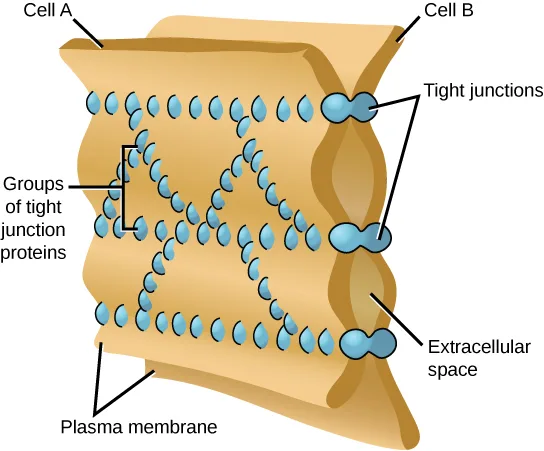
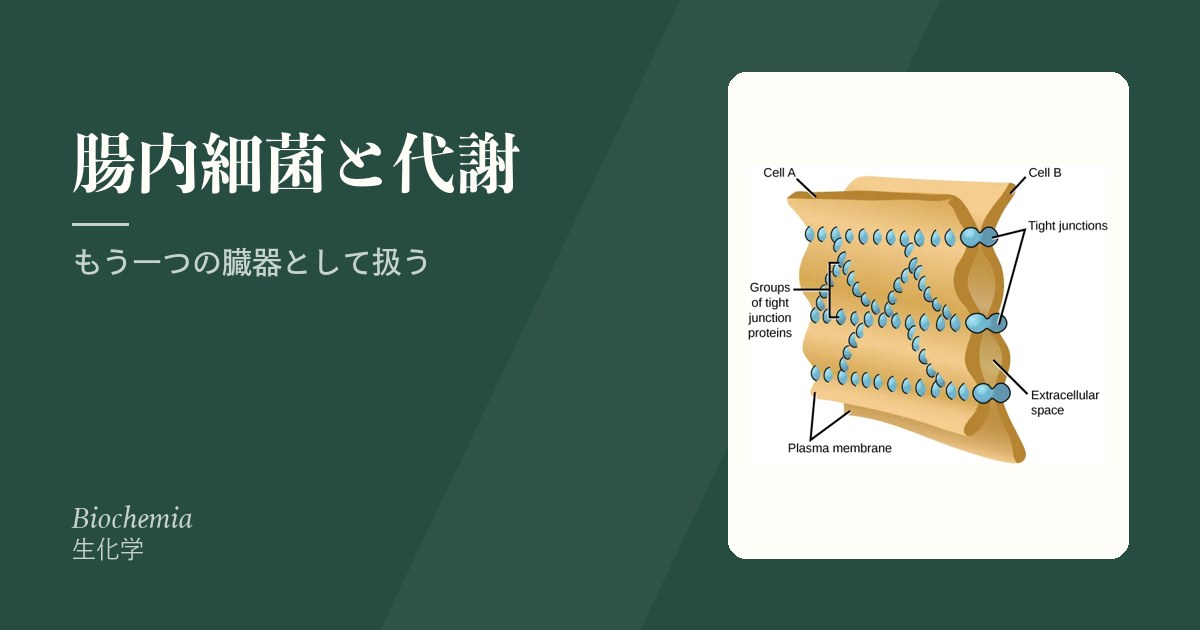
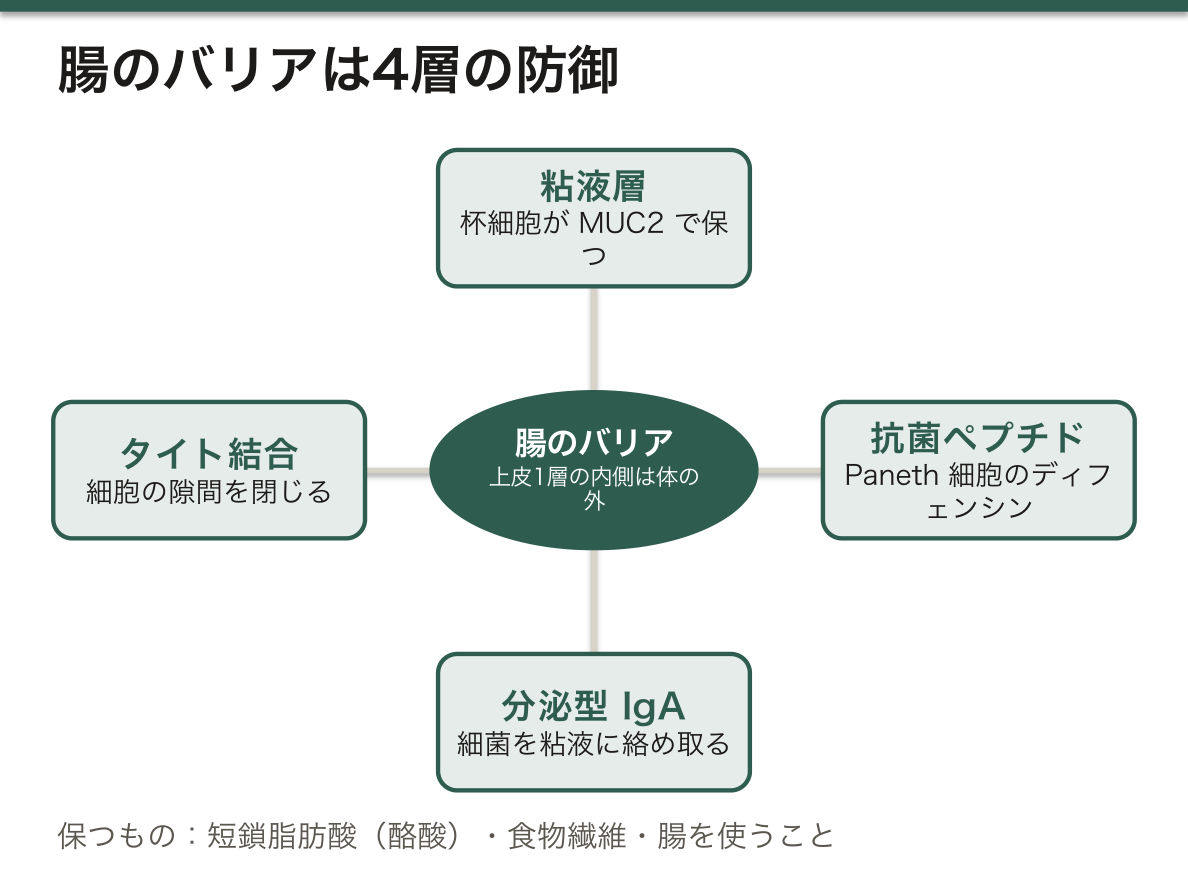
腸管の内腔は解剖学的には「体の外」で、そこにはヒトの細胞数に匹敵する細菌がいる。隔てているのは上皮 1 層にすぎない。だから防御は多層になっている。
- 粘液層——大腸では 2 層あり、内側の層には細菌が入れない。杯細胞が MUC2 を分泌して維持する
- 抗菌ペプチド——Paneth 細胞のディフェンシンとリゾチーム
- 分泌型 IgA——細菌を粘液に絡め取り、上皮に触れさせない
- タイト結合——細胞と細胞の隙間を閉じる。閉じ具合は調節されている
この層のどこかが破れると、細菌そのものではなく「細菌の成分」が門脈へ漏れる。
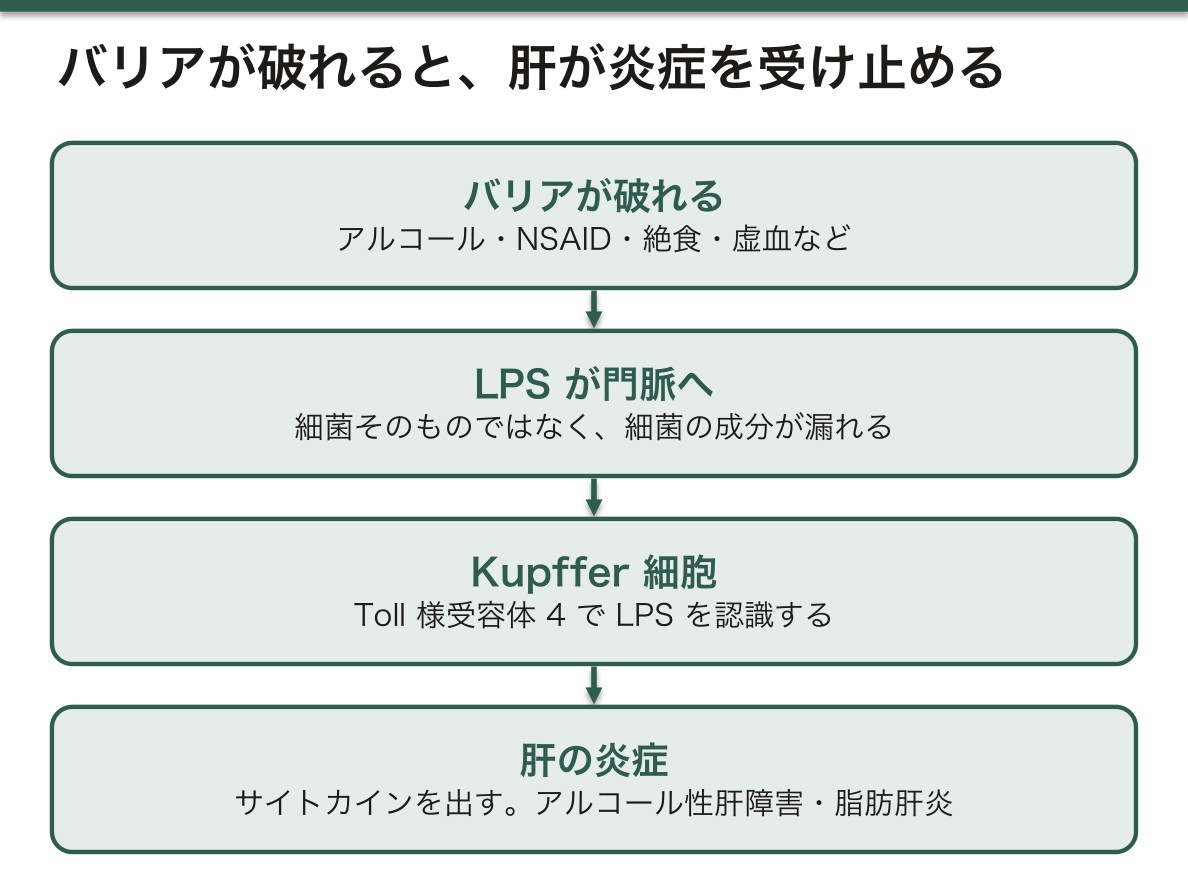
漏れる代表が内毒素(リポ多糖、LPS)である。血中にごく低濃度でも入り続けると、慢性の低度炎症を作る。
門脈に入るので、まず肝が受け止める。Kupffer 細胞が Toll 様受容体 4 で LPS を認識してサイトカインを出す——これがアルコール性肝障害と脂肪肝炎で、肝の炎症が進む機序の 1 つとして重視されている。「飲んだ量だけでは説明がつかない個人差」の一部が、腸のバリアの状態で説明できるという考え方である。
| バリアを壊すもの | アルコール・NSAID・高脂肪食・絶食(腸を使わないこと)・侵襲・虚血 | |
| バリアを保つもの | 短鎖脂肪酸(酪酸)・食物繊維・腸を使うこと | 酪酸は大腸上皮の主な燃料でもある |
「腸が使えるなら腸を使う」という栄養の原則は、ここから来ている。静脈栄養だけで腸を休ませると、粘膜が萎縮しバリアが弱る。重症患者で早期経腸栄養が勧められる根拠の1つである。
⚠️ 「リーキーガット」という言葉には注意が要る。バリア機能の低下という現象自体は実在し、測定もされているが、あらゆる不調をこれで説明する主張には根拠が無い。科学的に確立している範囲と、商業的な主張を分けて扱う。
絶食の指示を出すときは、いつ食べ始めるかまで含めて決める。「念のため絶食」を続けることには、それ自体の害がある。
English version
Core
The intestinal lumen is anatomically "outside the body", and in it are bacteria in numbers comparable to the human cells of the body. What separates them is no more than a single layer of epithelium. So the defence is in layers.
- The mucus layer — in the colon it is double, and bacteria cannot enter the inner layer. Goblet cells secrete MUC2 to maintain it.
- Antimicrobial peptides — the defensins and lysozyme of the Paneth cell.
- Secretory IgA — entangles bacteria in the mucus and keeps them from the epithelium.
- Tight junctions — close the gaps between cells. How tightly is regulated.
When any of these layers breaks, not the bacteria themselves but their components leak into the portal vein.
Going further
The representative leak is endotoxin (lipopolysaccharide, LPS). Entering the blood continuously even at a very low concentration, it creates chronic low-grade inflammation.
Entering the portal vein, the liver receives it first. Kupffer cells recognise LPS by Toll-like receptor 4 and release cytokines — held to be one mechanism by which hepatic inflammation advances in alcoholic liver disease and steatohepatitis. It is the view that part of the individual variation that the amount drunk alone cannot explain may be explained by the state of the gut barrier.
| What breaks the barrier | Alcohol, NSAIDs, a high-fat diet, fasting (not using the gut), injury, ischaemia |
| What preserves it | Short-chain fatty acids (butyrate), dietary fibre, using the gut. Butyrate is also the chief fuel of the colonic epithelium |
The nutritional principle "if the gut works, use the gut" comes from here. Rest the gut on parenteral nutrition alone and the mucosa atrophies and the barrier weakens. One of the grounds for recommending early enteral nutrition in the critically ill.
⚠️ The term "leaky gut" needs care. The phenomenon of reduced barrier function is real and is measured, but there is no ground for claims that explain every complaint by it. Keep what is scientifically established separate from commercial claims.
In the clinic
When ordering a period of fasting, decide when eating will begin as part of the order. Continuing to fast "just in case" carries harm of its own.
まとめ
| 細菌がやっている化学 — ヒトにできないこと | 働き内容臨床との接点食物繊維の発酵短鎖脂肪酸(酢酸・プロピオン酸・酪酸)大腸上皮の栄養・抗炎症ビタミン産生ビタミンK₂・ビオチン・葉酸・B群抗菌薬長期投与で出血傾向胆汁酸の変換脱抱… |
|---|---|
| 細菌叢と免疫・代謝 — 教育と、共犯 | 腸内細菌は免疫系を教育する。無菌動物ではPeyer板とIgA産生細胞が育たない一部の細菌が制御性T細胞の分化を促す(酪酸が関与)衛生仮説——幼少期の微生物曝露が少ないと、アレルギー… |
| 短鎖脂肪酸 — 大腸の細胞は、細菌の作った燃料で生きている | ヒトが消化できない食物繊維とレジスタントスターチを、大腸の細菌が発酵させて作る。 |
| 腸内細菌と薬 — 住人が、効き方を変えている | 腸内細菌は薬に対して3つの働き方をする。 |
| 腸のバリア — 1層の細胞の内側は、体の外である | 腸管の内腔は解剖学的には「体の外」で、そこにはヒトの細胞数に匹敵する細菌がいる。 |
このノートは医学生が授業の内容を自分の言葉でまとめたもので、診療の判断に使うものではありません。誤りに気づいたらお知らせください。